If you are thinking of investing in potash this article briefly explains what potassium is and looks at the two most common forms of potash fertilisers: Muriate of Potash and Sulphate of Potash.
What is potassium?
Potassium is an essential element in all living cells, including plants, animals and people. Its main role is to enable cells to retain water content and cell rigidity; this is essential for efficient photosynthesis, nutrient flow, water content control and helps plants to sustain drought.
Potassium is also needed for photosynthesis, metabolic processes, starch formation, protein synthesis and enzyme activation. While potassium occurs naturally in soils, it is released too slowly to provide sufficient quantities of the vital nutrient to sustain crops. To provide economically viable crop yields, potassium containing fertilisers are essential.
Sulphate of Potash and Muriate of Potash
The two most common forms of potash fertilisers are Sulphate of Potash (SOP) and Muriate of Potash (MOP); the latter being the most common, accounting for approximately 85% of global demand.
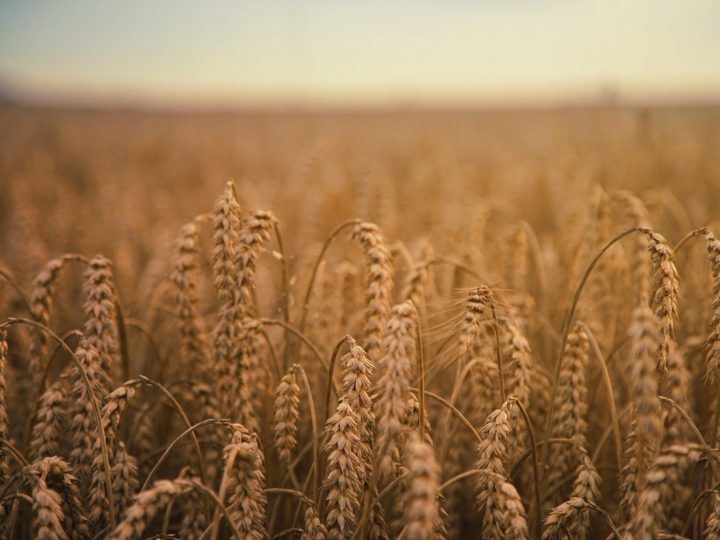
While MOP is mainly potassium chloride, it also contains around 5 to 10% sodium chloride and is typically used on grain crops such as wheat.
SOP, which is mainly potassium sulphate, is the more expensive form of potash and is used mainly on vegetable crops, fruits and cocoa. Unlike MOP it is chloride free, an important consideration as some plants are damaged by chloride.
An additional advantage of SOP is that its sulphur content is a crucial nutrient particularly valuable for chloride sensitive crops such as nuts, fruit, vegetables and cocoa.
How and where is Sulphate of Potash fertiliser produced?
There are a number of different methods used to produce SOP:
1. The Mannheim process
The Mannheim process produces SOP from MOP using sulphuric acid. Hydrochloric acid is an important by-product. The process is relatively expensive due to high operating costs and investment in capital equipment needed.
However, it accounts for around 40% to 50% of global SOP. The largest producers are: Tessenderlo Chemie (Belgium) and Qingshang (China).
2. Brine extraction
This uses solar evaporation from salt lakes and accounts for 30% of global SOP. The largest producers are SDIC Luobupo (China), SQM (Chile), and Compass Minerals (US).
3. Reaction between potassium chloride and sulphate salts
This accounts for around 18% of global SOP. The largest producers are K&S Kali (Germany) and Compass Materials (US)
4. Extraction from mineral ores
Supplies just 2% of global SOP. The largest producer is Russia.
Investing in potash
If you would like to learn more about the investing in potash, then please click here.