If you are thinking of investing in silver and want to learn more, this article explains what silver is, its history as a commodity and what silver is used for.
What is silver?
Silver whose Latin name Argentum is derived from the Sanskrit for “shining”, has the chemical symbol Ag and atomic number 47, and is a white soft, lustrous metal with some exceptional properties. Apart from its aesthetic appeal, it has many industrial applications; in fact, 80% of all new silver is used industrially:
- It has the highest electrical and thermal conductivity of all metals, making it suitable for a range of electronic applications such as thick film conductors, multi-layer capacitors, conductive adhesives, photo-voltaics, heated vehicle windscreens, batteries etc.
- It is non-toxic yet has potent antimicrobial properties and has been used in medicine for many years, even before microbes were discovered.
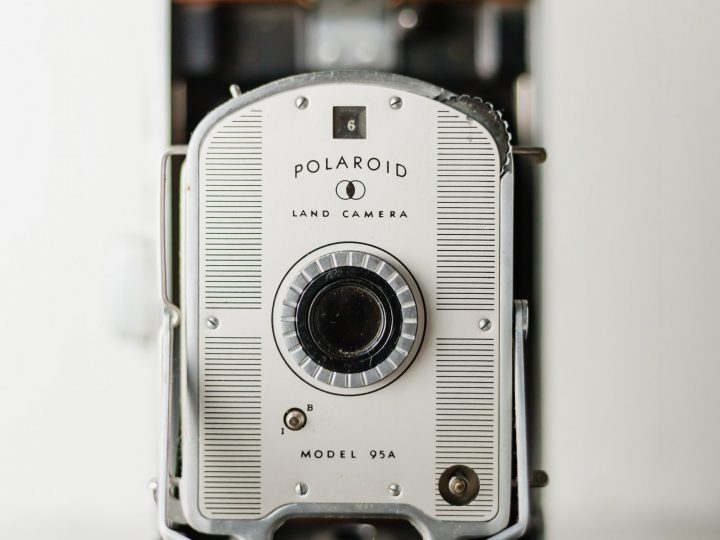
- Its salts have unique photo-chemical properties, and at one time approximately 60% of silver was used in photography.
What is the history of silver?
Humankind has been mining and processing silver from as early as the fourth millennium BC. Silver objects dating from that era have been discovered in Greece and Turkey.
Early finds would have been native silver even though it is relatively rare. Despite its rarity, native silver deposits can be substantial, and single nuggets have been described as being “as big as stove lids and cannonballs”.
In ancient Egypt, silver was considered more desirable than gold, though that reversed once the cupellation process had been adopted. Galena, a lead-silver sulphide ore with a metallic appearance, was also mined in early times and it was found that it could be refined by smelting and cupellation.
The ore was treated at temperatures of around 1,000 centigrade causing the lead to oxidise to solid lead oxide, while metallic silver formed a pool of molten metal floating on the surface.
As expertise in silver mining spread, major silver producers emerged in Sardinia, India, Japan and China. Silver emerged as the dominant currency in ancient Greek and Roman civilisations. The stability of both cavillations relied on silver production.
During the Roman Empire, the Romans were producing 200 tonnes of silver per year, but production came to an abrupt halt once the Empire fell. Central Europe became the primary source of silver during the Middle Ages though supplies quickly became depleted.
In the Americas, pre-Inca civilisations had independently developed cupellation in the first century AD. Once the Americas had been discovered, the Spanish exploited their silver resources, particularly in Chile, Peru, Bolivia and Argentina.
The name Argentina comes from its rich Argentum (silver) resources. The newfound silver wealth of the Spanish funded their military and political exploits in Europe and America.
Throughout history, silver has been valued as a precious metal, used alongside gold in bullion coins, comprised an essential element in many industrial processes, and has become a crucial commodity in today’s economy.
What silver is used for?
Historically, silver played an important role in early monetary systems in the form of coinage, but apart from bullion coins, silver is no longer used today in coin minting. The main applications that silver is used for are:
- Jewellery and other silverware: pure silver isn’t suitable for use in silverware or jewellery as it is too soft. Usually, it is alloyed with copper to improve its physical properties and other elements such as zinc, cadmium, germanium, and silicon to reduce its tendency to tarnish
- Renewable energy: silver plays a vital role in the manufacture of photovoltaic cells where its low electrical resistance makes it an ideal conductor
- Electronics: silver is used in the manufacture of thick film and hybrid devices, often in combination with palladium. It is also used in the semiconductor industry for attaching silicon chips to their underlying substrates and thermal heatsinks
- Brazing and soldering: the high strength and ductility of silver make it an ideal brazing metal for joining metals
- Chemical catalysis: silver is an excellent oxidation catalyst used in the production of polymers and plastics
- Medicine: silver has potent antimicrobial properties and is used in a wide range of healthcare products including plasters, bandages, and medical instruments. It is also used in dentistry
- Glass and mirrors: the high reflective properties of silver are exploited in the production of semi-silvered mirrors and windows designed to reflect sunlight
- Photography: historically up to 60% of all silver produced was used in photography. While much of that has been replaced by digital photography, it is still used in specialist applications such as x-ray plates
- Mechanical bearings: silver coated bearings provide high strength and reliability due to its high-temperature tolerance and lubricant properties.
Investing in silver
If you want to learn more about investing in silver or how silver is mined and refined, then please click on the links.